
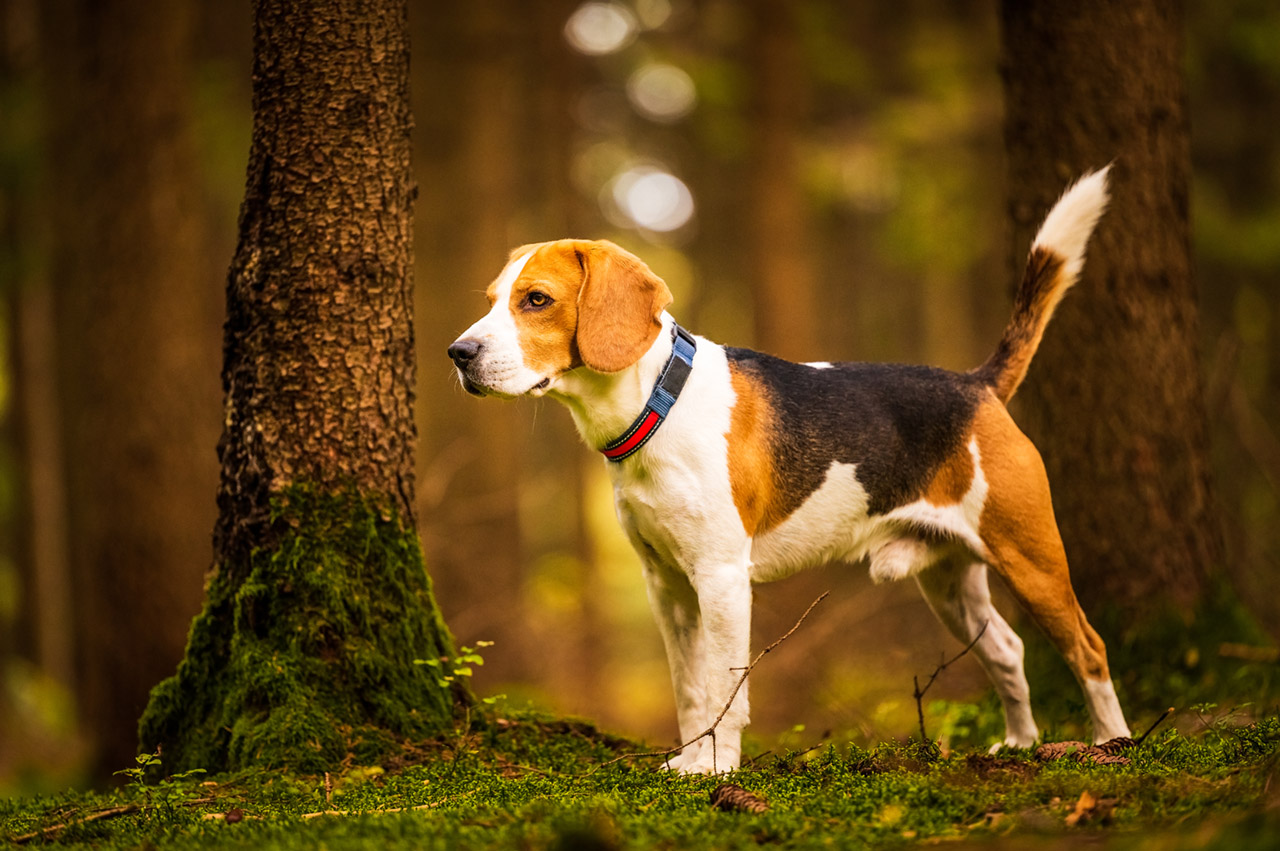
Beagles are one of the most joyful, food-obsessed, howl-at-everything dogs you'll ever meet. Their incredible noses, gentle temperament, and compact size have made them one of Australia's most popular family breeds for decades. But that lovable Beagle comes with a health profile that can catch owners off guard: epilepsy is more common in Beagles than almost any other breed, with studies suggesting up to 5–6% of Beagles will develop idiopathic epilepsy. When seizures start, you're looking at lifelong medication ($1,000–$3,000+ per year), emergency vet visits, and specialist neurology consultations — costs that compound year after year. Then there's cherry eye, IVDD, hypothyroidism, and an appetite so relentless that obesity (and its cascade of health consequences) is a constant battle.
We scraped real quotes from Australia's major pet insurers for a 3-year-old Beagle in Sydney to find the best value cover for this breed.
Last updated: March 2026
Quick Comparison: Top Providers for Beagles
| Provider | Monthly Premium | Annual Limit | Excess | Benefit % | Our Take |
|---|---|---|---|---|---|
| Budget Direct ⭐ | ~$40–62 | $15,000–$25,000 | $0–$200 | 80% | Best value — cheapest premiums with solid coverage tiers |
| Pet Circle | ~$70–170 | Up to $17,500 | $75 | Up to 90% | Strong mid-range option with high benefit percentage |
| Bow Wow Meow | ~$71–160 | Up to $30,000 | $0–$500 | Up to 90% | Highest annual limit — best for multi-condition years |
⚠️ Premiums are based on real quotes for a 3-year-old desexed male Beagle in Sydney (2000 postcode), scraped March 2026. Your actual quote will vary by age, location, and cover level. Always get a personalised quote.
Why Beagles Need Insurance
Beagles look like the picture of robust health — medium-sized, athletic build, no extreme features. But under that tricolour coat is a breed predisposed to several expensive conditions, some of which require lifelong management. Unlike breeds like French Bulldogs or Dachshunds where one catastrophic event drives the cost, Beagle health expenses tend to accumulate — epilepsy medication every month, recurring ear infections, thyroid supplements, and the inevitable consequences of a dog that will eat literally anything it can reach.
Common Beagle Health Issues & Typical Vet Costs
| Condition | What It Is | Typical Cost |
|---|---|---|
| Epilepsy (Idiopathic) | Seizure disorder — Beagles are one of the most predisposed breeds. Requires lifelong anticonvulsant medication. | $1,000–$3,000+/year (ongoing) |
| Intervertebral Disc Disease (IVDD) | Disc herniation — less common than in Dachshunds but Beagles are still a higher-risk breed | $5,000–$12,000+ (surgery) |
| Cherry Eye | Prolapse of the third eyelid gland — common in Beagles, often bilateral | $500–$2,000 per eye (surgery) |
| Hypothyroidism | Underactive thyroid causing weight gain, lethargy, and skin problems | $500–$1,500/year (ongoing medication) |
| Ear Infections (Otitis Externa) | Those beautiful floppy ears trap moisture and bacteria — chronic problem for Beagles | $200–$800 per episode |
| Obesity | Beagles are hardwired to eat. Their nose leads them to food, and their metabolism stores it efficiently. | $1,000–$3,000+/year (management, secondary conditions) |
| Allergic Dermatitis | Skin allergies causing itching, redness, and secondary infections | $500–$2,000/year (ongoing) |
| Patellar Luxation | Kneecap dislocation — moderately common in medium-sized breeds | $1,500–$4,000 per knee |
| Glaucoma | Increased eye pressure causing pain and potential blindness — Beagles are predisposed | $1,000–$3,000+ (treatment/surgery) |
| Musladin-Lueke Syndrome | Rare genetic connective tissue disorder specific to Beagles | $1,000–$3,000 (diagnosis + management) |
The Epilepsy Factor
Epilepsy is to Beagles what IVDD is to Dachshunds — the defining health concern that makes insurance non-negotiable. Here's why:
It's lifelong. Once diagnosed, most epileptic Beagles need daily anticonvulsant medication (phenobarbital, potassium bromide, or levetiracetam) for the rest of their lives. That's 8–10+ years of ongoing treatment.
It escalates. Seizures can worsen over time, requiring medication adjustments, blood monitoring every 3–6 months ($200–$400 per panel), and sometimes emergency hospitalisation for cluster seizures or status epilepticus ($2,000–$5,000 per emergency).
The cumulative cost: A Beagle diagnosed with epilepsy at age 2 could easily rack up $15,000–$30,000+ in lifetime treatment costs. That's medication, blood work, emergency visits, specialist neurology consultations, and potential MRI scans ($2,000–$4,000 each) to rule out structural causes.
Annual limit matters. In a bad year with cluster seizures, emergency visits, and medication adjustments, epilepsy costs can hit $5,000–$8,000. You need a policy with enough annual limit to handle this alongside any other health issue that crops up.
The Eating Machine Problem
Every Beagle owner knows: if it's remotely edible (and many things that aren't), your Beagle will try to eat it. This isn't just a quirk — it's a genuine health and insurance concern:
- Foreign body ingestion: Beagles eat socks, toys, bones, garbage. Emergency foreign body surgery costs $3,000–$8,000. Some Beagles are repeat offenders.
- Obesity: Beagles gain weight easily, and obesity drives joint disease, diabetes risk, and heart strain.
- Toxin ingestion: Chocolate, grapes, medications left within nose-reach — Beagle poison emergencies are disproportionately common. Emergency treatment: $1,000–$5,000.
Insurance that covers emergency surgery and toxin treatment is essential for this breed.
Detailed Provider Reviews
Budget Direct ⭐ Editor's Pick
Best for: Affordable comprehensive cover — best value premiums for Beagle owners on a budget
Budget Direct consistently comes in as the most affordable option for Beagle owners. With plans starting around $32/month, they offer genuine value — especially the Comprehensive and Plus tiers that give you $15,000–$25,000 in annual cover. For a breed where costs tend to be ongoing (epilepsy, ear infections, thyroid) rather than one catastrophic event, Budget Direct's pricing makes long-term insurance sustainable.
Quoted premiums (3yo male Beagle, Sydney):
- Essential: From ~$32/mo ($12,000 annual limit)
- Comprehensive: From ~$40/mo ($15,000 annual limit)
- Plus: From ~$52/mo ($25,000 annual limit)
Key features:
- Annual limit: $12,000–$25,000 depending on plan
- Benefit percentage: 80% across all plans
- $0 excess option available on some plans
- Routine Care add-on for vaccinations, dental, and flea/tick
- Simple online claiming
Waiting periods:
- Accident: 2 days
- Illness: 30 days
- Cruciate ligament: 6 months
- Pre-existing conditions: Not covered
Pros:
- Cheapest premiums we found for Beagles — makes year-round insurance affordable
- $25,000 Plus plan handles even bad epilepsy years plus additional conditions
- $0 excess option means you only pay the 20% gap on claims
- Routine Care add-on covers vaccinations and annual dental checks
Cons:
- Essential plan's $12,000 limit could be tight if epilepsy + foreign body surgery hit the same year
- 80% benefit percentage means you always carry 20% of the bill
- No GapOnly-style instant claiming at the vet
Get a Quote from Budget Direct →
Pet Circle Insurance
Best for: High benefit percentage (90%) minimises your out-of-pocket costs
Pet Circle has evolved from an online pet retailer into a genuine insurance contender. For Beagle owners, their appeal is the 90% benefit percentage — meaning you get back more on every claim. When you're claiming for epilepsy medication every month or quarterly blood work, that extra 10% versus an 80% policy adds up significantly over a Beagle's lifetime.
Quoted premiums (3yo male Beagle, Sydney):
- From ~$70/mo (comprehensive cover, $17,500 annual limit)
Key features:
- Annual limit: Up to $17,500
- Benefit percentage: Up to 90%
- Low excess: $75
- Hereditary and congenital conditions covered
- Online vet consultations included
Pros:
- 90% benefit percentage maximises claim returns — critical for ongoing epilepsy costs
- $75 excess is one of the lowest in the market
- Pet Circle shopping discounts if you buy food/supplies through them
- Hereditary conditions covered (important for breed-predisposed epilepsy)
Cons:
- $17,500 annual limit is moderate — could be stretched in a year with multiple major claims
- Premiums are higher than Budget Direct for comparable cover
- Relatively new to the insurance market compared to established providers
Bow Wow Meow
Best for: Highest annual limit ($30,000) for worst-case scenarios
Bow Wow Meow's $30,000 annual limit is the standout feature for Beagle owners worried about multi-condition years. If your Beagle needs IVDD surgery ($8,000+), has ongoing epilepsy medication ($3,000), and swallows a sock requiring foreign body removal ($5,000) — all in the same year — you need a policy that won't cap out. Bow Wow Meow's ceiling provides that security, similar to why they're our top pick for Cavalier King Charles Spaniels and Rottweilers.
Quoted premiums (3yo male Beagle, Sydney):
- From ~$71/mo (up to 92 plan combinations with different limits/excess/benefit levels)
Key features:
- Annual limit: Up to $30,000 (highest among major AU insurers)
- Benefit percentage: Choose 60%, 70%, 80%, or 90%
- GapOnly® claiming: Pay only the gap at participating vets
- myPetPass®: 24/7 online vet access + medication discounts
- No sub-limits on specific conditions
Waiting periods:
- Accident: 2 days
- Illness: 30 days
- Cruciate ligament: 6 months
- Pre-existing conditions: Not covered
Pros:
- $30,000 limit handles the worst possible year — epilepsy + surgery + emergency all covered
- GapOnly means you don't pay $8,000 upfront during an emergency
- 92 plan combinations let you fine-tune cost vs cover
- myPetPass provides ongoing value between claims
Cons:
- Premiums are higher than Budget Direct
- So many plan combinations can be overwhelming
- 6-month cruciate wait is standard but worth noting
Get a Quote from Bow Wow Meow →
How We Compared
We believe in complete transparency about how we evaluate pet insurance providers.
Our methodology:
- Real quotes: We scraped actual pricing from each provider's quote tool for a 3-year-old desexed male Beagle in Sydney (2000 postcode) in March 2026
- Mid-tier comparison: We compared comprehensive/mid-tier plans rather than the cheapest accident-only options
- Breed relevance: We specifically checked coverage for epilepsy, IVDD, cherry eye, and foreign body surgery — the conditions Beagles actually claim for
- Annual limits: Assessed against realistic Beagle claim scenarios (ongoing epilepsy + emergency events)
- Real-world value: Considered excess, benefit percentage, waiting periods, and claiming experience
What we didn't do: We don't accept payment from providers to rank them higher. Our recommendations are based on value for Beagle owners specifically.
What to Look for in Beagle Insurance
Must-Haves
- Comprehensive cover (not accident-only): Beagles' biggest costs are illness-related (epilepsy, hypothyroidism). Accident-only is almost worthless for this breed.
- $15,000+ annual limit: Epilepsy alone can cost $3,000–$5,000/year. Add one emergency, and lower limits won't cut it.
- Hereditary condition coverage: Epilepsy, cherry eye, and IVDD all have genetic components. Make sure they're covered.
- No sub-limits on ongoing conditions: Some policies cap "chronic condition" payouts separately. Check the PDS.
Nice-to-Haves
- Routine care add-on: Covers annual vaccinations, dental checks, and flea/tick — ongoing costs for any Beagle.
- Low excess: For a breed that claims frequently (ear infections, allergies), a $0–$100 excess saves money over time.
- High benefit percentage (80–90%): The difference between 80% and 90% on a $5,000 claim is $500 — multiply that across years of epilepsy treatment.
- Multi-pet discount: If you have multiple pets, some providers offer 5–10% off additional policies.
Red Flags
- Bilateral condition exclusions: Some policies only cover cherry eye in one eye. Beagles frequently develop it in both.
- Condition-specific sub-limits: A $2,000 cap on "back conditions" makes IVDD cover worthless.
- No chronic condition cover: Epilepsy is chronic by definition. If the policy treats each policy year as a new condition period, you could lose cover after year one.
- Rising premiums with no cap: Beagle premiums increase with age. Check how the insurer handles annual increases.
Beagle Insurance Costs by Age
Premiums increase as your Beagle ages, with the biggest jumps typically after age 7:
| Age | Estimated Monthly (Comprehensive) | Why |
|---|---|---|
| Puppy (8 weeks–1 year) | $25–$50 | Lowest risk, but foreign body ingestion is common in puppies |
| 1–3 years | $30–$70 | Epilepsy often presents between ages 1–5 |
| 4–6 years | $50–$100 | Established health history, hypothyroidism may appear |
| 7–9 years | $80–$150 | Higher risk across all conditions, IVDD risk increases |
| 10+ years | $120–$200+ | Senior care, multiple ongoing conditions, some insurers won't cover |
💡 Tip: Insure your Beagle as a puppy. Epilepsy that develops after you're insured is covered. Epilepsy that exists before you insure is a pre-existing condition — and no insurer will cover it. Ever.
FAQ
Q: Does pet insurance cover epilepsy in Beagles?
A: Yes — all major Australian pet insurers cover epilepsy as long as it develops after your policy starts and the waiting period has passed (usually 30 days for illness). Epilepsy that exists before you take out insurance is a pre-existing condition and won't be covered. This is why insuring your Beagle as a puppy is so important.
Q: How much does Beagle pet insurance cost in Australia?
A: Based on our real quotes for a 3-year-old Beagle in Sydney, comprehensive cover ranges from approximately $40–$170 per month depending on the provider, annual limit, excess, and benefit percentage. Budget Direct offers the cheapest plans from around $32/month, while providers with higher limits like Bow Wow Meow start around $71/month.
Q: Is pet insurance worth it for Beagles?
A: Absolutely. Beagles are predisposed to epilepsy (lifelong cost: $15,000–$30,000+), IVDD surgery ($5,000–$12,000), cherry eye ($500–$2,000 per eye), and foreign body ingestion emergencies ($3,000–$8,000). A single IVDD surgery would pay for 5+ years of insurance premiums. Read our full analysis on whether pet insurance is worth it.
Q: Does pet insurance cover cherry eye surgery for Beagles?
A: Yes, cherry eye surgery is covered by comprehensive pet insurance policies as long as it develops after your policy starts. Some policies may have specific exclusions for bilateral conditions (covering only one eye), so check the Product Disclosure Statement. Cherry eye surgery typically costs $500–$2,000 per eye.
Q: What age should I insure my Beagle?
A: As young as possible — ideally from 8 weeks. Most policies have a 30-day waiting period for illness claims, so the earlier you insure, the more conditions will be covered when they develop. Beagle epilepsy typically presents between ages 1–5, so insuring as a puppy means you're covered when it matters most.
Q: Are Beagles expensive to insure compared to other breeds?
A: Beagles are moderately priced to insure — cheaper than brachycephalic breeds like French Bulldogs and Pugs, but slightly more than very healthy breeds like Border Collies. Their epilepsy predisposition and tendency to eat foreign objects push premiums up slightly, but their medium size and generally robust build keep costs reasonable.
Q: Does pet insurance cover foreign body removal surgery for Beagles?
A: Yes. Foreign body ingestion is an accident/emergency claim and is covered by all comprehensive and even most accident-only policies. This is one area where Beagles claim frequently — their powerful noses and food obsession lead them to swallow things they shouldn't. Surgery costs $3,000–$8,000 depending on the object and complications.
Q: Can I get pet insurance for an older Beagle?
A: Most insurers accept dogs up to age 8–9 for new policies, though some will insure older dogs with higher premiums and more exclusions. The catch is pre-existing conditions — any health issues your Beagle already has won't be covered. Beagles live 12–15 years on average, so insuring at age 8 still gives you 4–7 years of potential cover, which is well worth it given the senior health costs.
The Bottom Line
Beagles are a breed where insurance pays for itself not through one dramatic surgery, but through years of ongoing management — epilepsy medication month after month, ear infections that keep coming back, the inevitable foreign body emergency when your Beagle finally catches that thing they've been eyeing. Budget Direct is our top pick for value — their affordable premiums make it realistic to keep your Beagle insured year-round, and their Plus plan's $25,000 limit handles even challenging years. If you want the highest ceiling for worst-case scenarios, Bow Wow Meow's $30,000 limit gives you the most breathing room. And if maximising your claim return matters most, Pet Circle's 90% benefit percentage means you keep more of your money on every claim.
Whatever you choose, insure your Beagle early. Epilepsy doesn't care whether you were planning to "get around to it." Once it's diagnosed, it's pre-existing — and no insurer in Australia will touch it.
At Pet Cover Guide, we're committed to helping Australian pet owners find the right insurance for their specific breed. Our comparisons use real quotes scraped directly from provider websites — not estimates, not "from" prices, not marketing materials. Compare more breeds →
Affiliate disclosure: We may earn a commission when you click links to provider websites. This never influences our rankings or recommendations. Our editorial team independently evaluates every provider based on value for the specific breed.