
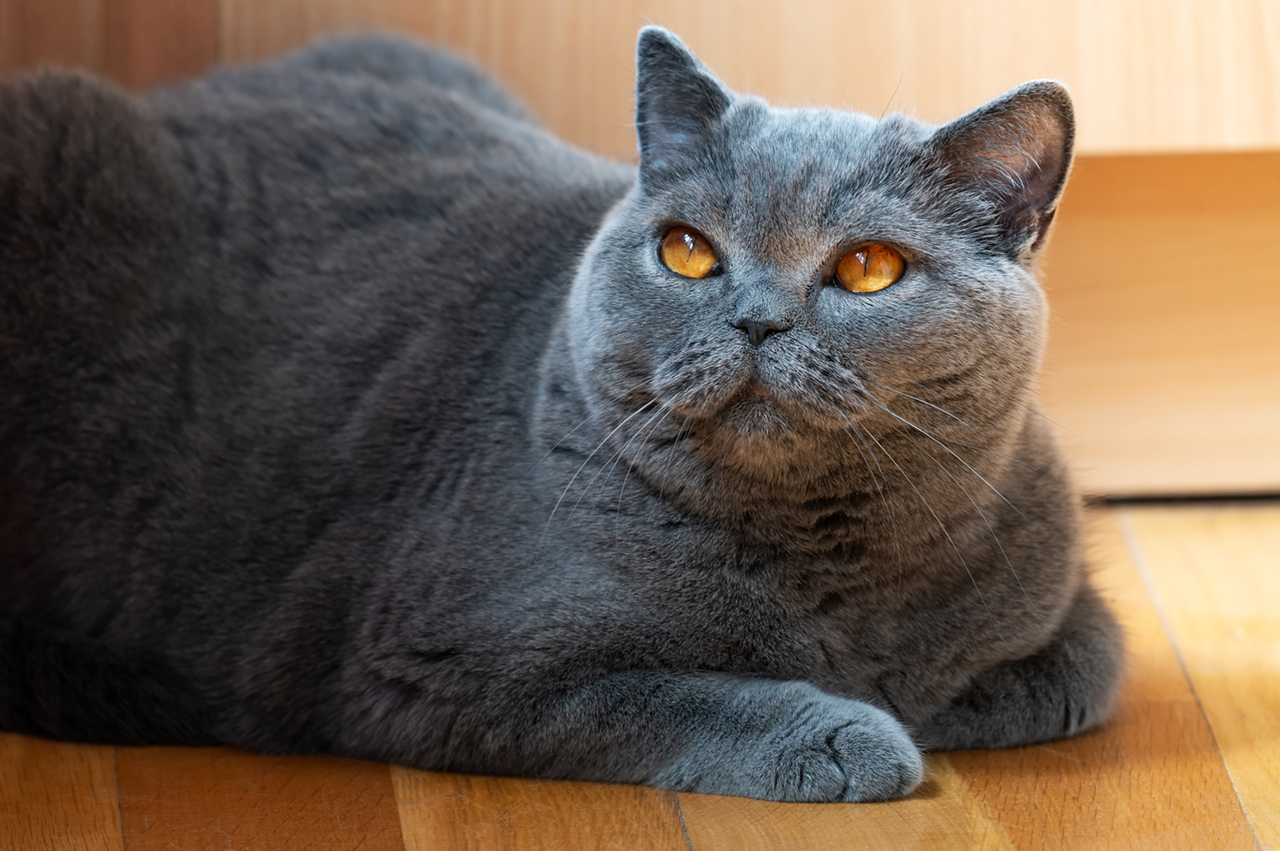
British Shorthairs are one of Australia’s most popular cat breeds — calm, affectionate, and built like a plush teddy bear. Their easygoing nature makes them ideal indoor companions, but beneath that stocky frame lies a breed with some serious genetic vulnerabilities. Hypertrophic Cardiomyopathy (HCM) is the defining health concern, affecting a significant percentage of the breed and requiring $2,000–$8,000+ in diagnosis and ongoing management. Add in Polycystic Kidney Disease (PKD), obesity (British Shorthairs are particularly prone), dental disease, and urinary tract issues, and lifetime vet costs can easily reach $15,000–$30,000+. For British Shorthair owners, the right pet insurance provides critical financial protection against this breed’s hidden health risks.
We compared plans from Australia’s major pet insurers, quoting for a 2-year-old British Shorthair in Sydney, to find the best value cover for this breed.
Last updated: March 2026
Quick Comparison: Top Providers for British Shorthairs
| Provider | Monthly Est. | Annual Limit | Excess | Benefit % | Hereditary Covered | Waiting (Illness) | Our Take |
|---|---|---|---|---|---|---|---|
| Bow Wow Meow 🛡️ Most Comprehensive | ~$50–80 | Up to $30,000 | $0–$200 | Up to 90% | ✅ Yes | 30 days | Best overall — highest limit handles HCM + emergencies without stress |
| PetInsuranceAustralia | ~$45–70 | Up to $20,000 | $0–$200 | Up to 80% | ✅ Yes | 30 days | 2 months free promo, genuine breed expertise |
| Petcover | ~$40–65 | Up to $20,000 | $100–$300 | Up to 80% | ✅ Yes | 30 days | Good mid-range choice with flexible tiers |
| RSPCA Pet Insurance | ~$40–60 | Up to $20,000 | $0–$200 | Up to 80% | ✅ Yes | 30 days | Supports animal welfare, solid cover |
| Budget Direct 💰 Lowest Price | ~$30–50 | Up to $12,000 | $0 fixed | 80% | ✅ Yes | 30 days | Cheapest option — decent if your BSH is low-risk |
⚠️ Premiums are estimates based on a 2-year-old desexed British Shorthair in Sydney (2000 postcode). Your actual quote will vary by age, location, and cover level. Always get a personalised quote.
💰 = Lowest monthly premium. 🛡️ = Most comprehensive cover, determined by highest annual limit, then highest benefit %, then lowest excess.
Why British Shorthairs Need Comprehensive Insurance
British Shorthairs look bulletproof. That dense, plush coat and stocky frame project an image of robust health. And compared to breeds like Ragdolls or Bengal Cats, BSH cats do tend to be hardy. But the conditions they are prone to — heart disease, kidney disease, and obesity-related issues — are expensive, chronic, and often silent until they're serious.
Common British Shorthair Health Issues & Typical Vet Costs
| Condition | What It Is | Typical Cost |
|---|---|---|
| Hypertrophic Cardiomyopathy (HCM) | Thickening of the heart muscle — the most common heart disease in cats, and BSH are genetically predisposed | $2,000–$8,000+ |
| Polycystic Kidney Disease (PKD) | Inherited cysts on the kidneys — progressive, eventually leading to kidney failure | $2,000–$6,000+ (management) |
| Obesity & Weight-Related Conditions | BSH are extremely prone to weight gain — leads to diabetes, arthritis, hepatic lipidosis | $1,500–$5,000+/year (management) |
| Feline Lower Urinary Tract Disease (FLUTD) | Urinary blockages, crystals, and inflammation — overweight cats are at higher risk | $1,500–$5,000+ (emergency) |
| Dental Disease | Periodontal disease and tooth resorption — common across the breed | $800–$3,000+ per dental |
| Diabetes Mellitus | Strongly linked to obesity — requires daily insulin and ongoing monitoring | $2,000–$4,000+/year |
| Arthritis | Joint degeneration accelerated by excess weight on a stocky frame | $1,000–$3,000+/year |
| Feline Infectious Peritonitis (FIP) | Viral disease — pedigree cats may be at higher risk in cattery environments | $5,000–$10,000+ (treatment) |
| Neonatal Isoerythrolysis | Blood type incompatibility issue — BSH have high rates of Type B blood | Breeder issue (rarely affects owners) |
The Obesity Problem
This is what makes British Shorthairs unique among cat breeds in terms of insurance needs. BSH cats are genetically wired to be stocky, but that stockiness tips into obesity alarmingly easily. An overweight British Shorthair isn't just a chubby cat — obesity directly increases their risk of:
- Diabetes mellitus — overweight cats are 4x more likely to develop diabetes
- Urinary blockages — excess weight puts pressure on the bladder and urethra
- Hepatic lipidosis (fatty liver disease) — can be triggered if an obese cat stops eating, even briefly
- Arthritis — excess weight accelerates joint wear on an already heavy-boned frame
- Heart strain — worsens existing HCM or creates cardiac stress even without HCM
The financial impact is cumulative. A diabetic British Shorthair needs daily insulin injections ($100–$200/month), regular glucose curves ($200–$400 each), and prescription food ($80–$150/month). Over a 15-year lifespan, diabetes alone can cost $20,000–$40,000.
The Heart Disease Problem
HCM is the silent killer of British Shorthairs. Unlike Cavalier King Charles Spaniels where heart disease is loud and detectable early, HCM in cats often shows no symptoms until a crisis — sudden lethargy, breathing difficulty, or even sudden death. Screening echocardiograms cost $400–$600 each and should be done regularly for BSH cats. If HCM is diagnosed, ongoing management includes:
- Cardiac medications ($50–$150/month, ongoing)
- Regular echocardiograms ($400–$600 every 6–12 months)
- Emergency treatment if the cat develops congestive heart failure ($3,000–$8,000+)
- Blood clot treatment (saddle thrombus) — a devastating HCM complication ($2,000–$5,000+ emergency)
Detailed Provider Reviews
Bow Wow Meow ⭐ Most Comprehensive
Best for: Highest annual limit to handle HCM emergencies + chronic condition management simultaneously
Bow Wow Meow's $30,000 annual limit gives British Shorthair owners genuine peace of mind. HCM emergencies can eat through a $12,000–$20,000 limit fast — and if your cat also needs dental work, urinary treatment, or diabetes management in the same year, a higher ceiling makes the difference between full coverage and out-of-pocket stress.
Key features:
- Annual limit: Up to $30,000 (highest among major AU insurers)
- Benefit percentage: Choose 60%, 70%, 80%, or 90%
- No sub-limits on specific conditions — full annual limit applies to every claim
- GapOnly® claiming: Pay only the gap at the vet — ideal for frequent cardiac check-ups
- Hereditary conditions covered (subject to PDS terms)
- Covers cats from 8 weeks of age
Waiting periods:
- Accident: 2 days
- Illness: 30 days
- Pre-existing conditions: Not covered
Pros:
- $30,000 limit handles HCM emergency + ongoing chronic management in the same year
- GapOnly is perfect for regular echocardiogram check-ups
- No sub-limits means diabetes supplies, cardiac meds, and dental are all covered from the same pool
- Flexible excess options to manage premium cost
Cons:
- Premium end of the market (though cat premiums are generally lower than dog premiums)
Get a Quote from Bow Wow Meow →
Pet Insurance Australia (PIA)
Best for: Breed-specialist knowledge and promotional pricing
PIA brings genuine breed expertise to the table, with detailed content on British Shorthair health risks. Their 2 months free promotional offer makes them a compelling choice for BSH owners looking for comprehensive cover at a reduced entry point.
Key features:
- Annual limit: Up to $20,000
- Benefit percentage: Up to 80%
- Hereditary conditions covered (subject to PDS)
- Breed-specific health resources showing real understanding of BSH issues
Pros:
- 2 months free promotional pricing
- Australian-owned and operated
- Covers hereditary conditions including HCM and PKD
- Good customer reviews for cat claims
Cons:
- Lower annual limit than Bow Wow Meow — could be tight if HCM and another major condition hit in the same year
- No GapOnly-style instant claiming
Get a Quote from Pet Insurance Australia →
Petcover
Best for: Good value mid-range cover with flexible plan tiers
Petcover offers three plan tiers, letting you scale cover to match your budget and your British Shorthair's risk profile. A solid middle-ground option for owners who want comprehensive protection without paying top-tier premiums.
Key features:
- Annual limit: Up to $20,000
- Benefit percentage: Up to 80%
- Three plan tiers: Comprehensive, Standard, Accident Only
- Award-winning (Canstar, Finder)
Pros:
- Competitive pricing for cats
- Flexible plan tiers
- Good claims track record
Cons:
- Check PDS carefully for sub-limits on ongoing/chronic conditions
- Lower limit than Bow Wow Meow
RSPCA Pet Insurance
Best for: Supporting animal welfare while protecting your British Shorthair
RSPCA-branded insurance (underwritten by Hollard) provides comprehensive cover while supporting RSPCA programs. Solid cover, solid cause, solid choice.
Key features:
- Annual limit: Up to $20,000
- Benefit percentage: Up to 80%
- Portion of premium supports RSPCA
Pros:
- Every premium payment supports animal welfare
- Comprehensive cover including hereditary conditions
- Good waiting period terms for cats
Cons:
- Not the cheapest option
- Limited online claiming tools compared to Bow Wow Meow
Get a Quote from RSPCA Pet Insurance →
Budget Direct ⭐ Lowest Price
Best for: Lowest premiums for lower-risk British Shorthairs
Budget Direct offers the most affordable cat insurance on the market. The $12,000 annual limit is a consideration for BSH owners — an HCM emergency alone could approach that limit. But for younger, healthy BSH cats without a family history of heart disease, it's a cost-effective way to get comprehensive cover.
Key features:
- Annual limit: Up to $12,000
- Benefit percentage: 80%
- $0 excess option
- 15% online discount
Pros:
- Cheapest comprehensive option for British Shorthairs
- No excess option available
- Simple, straightforward plans
Cons:
- $12,000 annual limit could be exhausted by a single HCM emergency
- Fewer plan customisation options
- Check PDS for sub-limits on chronic conditions
Get a Quote from Budget Direct →
How We Compared These Plans
We evaluated each insurer based on criteria specifically relevant to British Shorthair owners:
- HCM and hereditary condition coverage — the single most important factor. HCM is the breed's biggest risk, and it's hereditary
- Annual limit adequacy — HCM emergencies, PKD management, and diabetes can stack costs quickly
- Chronic/ongoing condition coverage — diabetes and cardiac medications are lifelong expenses
- Premium cost — cats are generally cheaper to insure than dogs, making comprehensive cover very accessible
- Claiming experience — ease of process, particularly for ongoing medication claims
- Waiting periods — standard 30 days for illness across all providers
All quotes were obtained for a 2-year-old desexed British Shorthair in Sydney (postcode 2000) in March 2026 on comprehensive/accident+illness cover.
What to Look for in British Shorthair Insurance
✅ Must-Haves
- Hereditary & congenital condition coverage — HCM and PKD are both hereditary. Without this, you're missing the conditions you most need covered
- No sub-limits on cardiac or renal treatment — HCM monitoring and medication costs add up year after year
- Ongoing condition coverage — diabetes and HCM don't go away. Make sure your policy covers the same condition across renewal years
- Decent annual limit ($20,000+) — HCM emergencies can hit $5,000–$8,000 in a single episode
⚠️ Watch Out For
- Pre-existing condition exclusions — insure your BSH kitten early, before any cardiac screening reveals abnormalities
- Sub-limits on "chronic" or "ongoing" conditions — some policies cap annual payouts for conditions requiring ongoing treatment
- Dental exclusions — some basic plans exclude dental disease, which is common in BSH cats
- Obesity-related exclusions — check whether your insurer covers conditions linked to obesity (diabetes, arthritis, FLUTD) if your cat is overweight
- Premium increases with age — cat premiums rise as cats age, especially if claims have been made
💡 Pro Tips for British Shorthair Owners
- Insure as a kitten — before any cardiac screening echocardiograms. Once HCM is noted in vet records, it's a pre-existing condition forever
- Keep your BSH at a healthy weight — this single factor reduces the risk of diabetes, urinary issues, arthritis, and cardiac strain more than anything else
- Budget for regular cardiac screening — echocardiograms every 12–24 months are recommended for BSH cats, even with insurance. Some policies may cover screening if your vet recommends it
- Don't skip illness cover — accident-only policies won't cover HCM, PKD, diabetes, or dental disease. These are the conditions that will cost you with a British Shorthair
- Cat premiums are affordable — unlike French Bulldogs or Rottweilers where premiums can be eye-watering, cat insurance is genuinely affordable. There's little reason not to get comprehensive cover
- Watch for blood type issues — if you're breeding BSH cats, be aware that this breed has high rates of Type B blood, creating neonatal isoerythrolysis risks. Insurance won't cover breeding complications, but it's worth knowing
Frequently Asked Questions
How much does pet insurance cost for a British Shorthair in Australia?
Expect to pay between $30 and $80 per month ($360–$960/year) for comprehensive cover, depending on your cat's age, location, and the plan you choose. Cat insurance is significantly cheaper than dog insurance, making comprehensive cover very accessible for BSH owners.
Does pet insurance cover HCM (Hypertrophic Cardiomyopathy) for British Shorthairs?
Yes — most comprehensive policies cover HCM as long as it's diagnosed after the policy's waiting period (typically 30 days for illness). This includes echocardiograms, cardiac medications, and emergency treatment for congestive heart failure. Insure your BSH before any cardiac screening to avoid pre-existing condition exclusions.
Does pet insurance cover Polycystic Kidney Disease (PKD)?
Yes — PKD is covered by comprehensive policies as a hereditary condition, provided it's diagnosed after the waiting period. Treatment typically involves managing kidney function with fluids, prescription diet, and medications — all of which should be claimable under a comprehensive plan.
Is pet insurance worth it for a British Shorthair?
Yes. While BSH cats are generally healthy compared to some pedigree breeds, HCM alone can cost $2,000–$8,000+ in a single episode. Add in the breed's predisposition to obesity-related conditions (diabetes at $2,000–$4,000/year, urinary emergencies at $1,500–$5,000), and the math strongly favours insurance. Cat premiums are also very affordable — often under $60/month for comprehensive cover.
What's the best age to insure a British Shorthair?
As a kitten (8–12 weeks) — before any health screening occurs. HCM can sometimes be detected as early as 1 year old via echocardiogram. If your vet records any cardiac abnormality before you get insurance, heart-related claims will be permanently excluded.
Are British Shorthairs expensive to insure?
No — they're actually one of the more affordable pedigree cats to insure. BSH cats are generally healthy with fewer congenital issues than breeds like Ragdolls or Bengal Cats. Premiums typically run 10–20% less than for high-risk breeds.
What's the average lifespan of a British Shorthair?
British Shorthairs typically live 12–17 years in Australia, with many reaching 15+. This is excellent for a pedigree breed but means chronic conditions like HCM or diabetes generate costs over a long period. Insurance becomes more valuable the longer your cat lives.
Can I get pet insurance if my British Shorthair already has HCM?
You can still get insurance, but HCM and related cardiac conditions will be excluded as pre-existing. The policy will cover everything else — kidney issues, urinary problems, dental, accidents, and other illnesses. This is why insuring before any cardiac screening is so important.
The Bottom Line
For British Shorthair owners, Bow Wow Meow is our top recommendation. The $30,000 annual limit provides genuine security against HCM emergencies — a single cardiac crisis can cost $5,000–$8,000, and if your cat also needs dental work, diabetes management, or urinary treatment in the same year, a higher limit means you're never choosing between your cat's health and your bank account. The GapOnly claiming system is a bonus for owners making regular cardiac check-up claims.
If you're looking for value, Pet Insurance Australia (with their 2-months-free promo) offers excellent cover at a lower price point. Budget Direct works for cost-conscious owners with young, healthy BSH cats — but the $12,000 limit is a genuine concern for this breed given HCM risks.
The key takeaway: insure your British Shorthair before any cardiac screening. HCM is the breed's biggest health risk, it's hereditary, and once it's in the vet records, it's uninsurable. Cat premiums are affordable — there's no good reason to delay.
Informational guides:
Pet Cover Guide is reader-supported. When you click our links, we may earn a commission at no extra cost to you. This doesn't influence our ratings — we recommend what we'd choose for our own pets. Read our full editorial policy.