
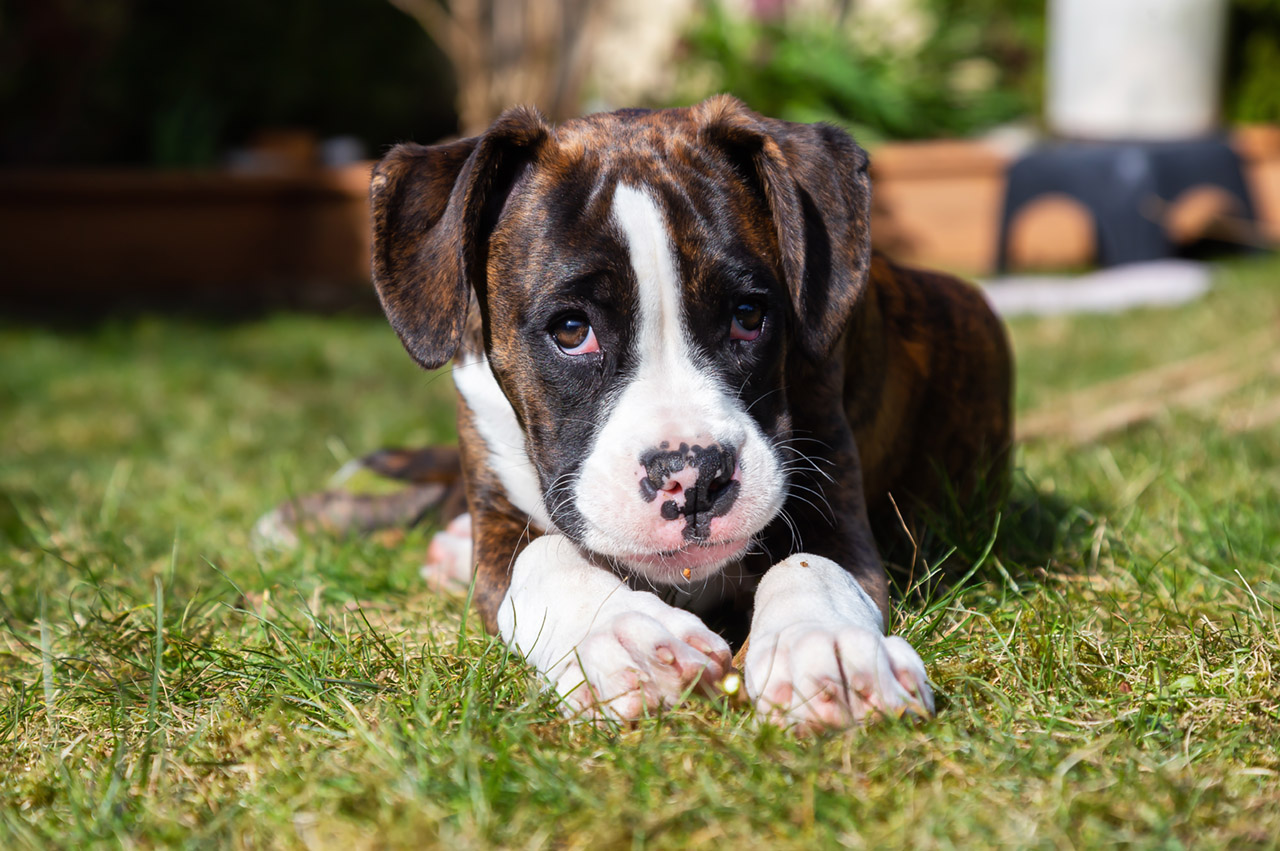
Boxers are the clowns of the dog world — goofy, energetic, fiercely loyal, and absolutely convinced that their 30 kg frame belongs on your lap. With their expressive faces, endless enthusiasm, and genuine devotion to their families, it's no surprise Boxers consistently rank among Australia's most beloved dog breeds. They're fantastic with kids, natural watchdogs, and the kind of dog that makes you laugh every single day.
But behind that muscular build and playful personality lies one of the most cancer-prone breeds in existence. Boxers have the highest cancer incidence of any dog breed — some studies estimate that up to 40% of Boxers will develop cancer during their lifetime, with mast cell tumours, lymphoma, and hemangiosarcoma topping the list. Add breed-specific heart conditions (Boxer cardiomyopathy is literally named after the breed), hip dysplasia, bloat/GDV, and cruciate ligament injuries, and you're looking at a breed where serious veterinary expenses aren't a possibility — they're a probability.
Cancer treatment alone can run $5,000–$15,000+. Heart disease management costs $3,000–$10,000 over a lifetime. Emergency bloat surgery? $5,000–$10,000 if you're lucky enough to get there in time. For a breed with an average lifespan of just 9–12 years, the veterinary costs are concentrated and substantial.
We compared real quotes from major Australian pet insurers for a 3-year-old Boxer in Sydney to find the best cover for this breed's high-risk health profile.
Last updated: March 2026
Quick Comparison: Top Providers for Boxers
| Provider | Monthly Premium | Annual Limit | Excess | Benefit % | Our Take |
|---|---|---|---|---|---|
| Budget Direct ⭐ | ~$70–$112 | $12,000–$25,000 | $100–$200 | 80% | Best value — solid cover at the lowest price for a high-risk breed |
| Bow Wow Meow | ~$88–$264 | $10,000–$30,000 | $0–$500 | 70–90% | Best flexibility — highest limits and GapOnly instant claiming |
| Pet Circle | ~$87–$218 | $10,000–$30,000 | $75–$150 | 70–90% | Best mid-range — competitive pricing with decent plan variety |
⚠️ Premiums are based on quotes for a 3-year-old desexed male Boxer in Sydney (2000 postcode), sourced March 2026. Your actual quote will vary by age, location, and cover level. Always get a personalised quote.
Why Boxers Need Insurance More Than Almost Any Other Breed
Let's be direct: if there's one breed where pet insurance isn't optional, it's the Boxer. Their genetic predisposition to cancer alone makes them one of the highest-risk breeds to own without coverage. But cancer is just the headline — Boxers are susceptible to a cascade of expensive conditions that can strike at any age.
The financial reality of Boxer ownership is stark. Most Boxer owners will face at least one major health event costing $5,000+ during their dog's lifetime, and many will face several. With a relatively short lifespan of 9–12 years, there's less time for these costs to spread out — they tend to hit hard and fast, particularly from age 5 onwards.
Common Boxer Health Issues & Typical Vet Costs
| Condition | What It Is | Typical Cost |
|---|---|---|
| Mast Cell Tumours | The most common cancer in Boxers. Can range from benign lumps to aggressive, life-threatening malignancies. Often require surgical removal + staging + follow-up. May recur. | $3,000–$10,000 per occurrence |
| Lymphoma | Cancer of the lymph nodes — one of the most common cancers in Boxers after mast cell tumours. Chemotherapy is the standard treatment. | $5,000–$15,000 (chemotherapy protocol) |
| Hemangiosarcoma | Aggressive cancer of blood vessel walls, often affecting the spleen or heart. Frequently diagnosed late. Emergency surgery + chemotherapy. | $5,000–$12,000 |
| Boxer Cardiomyopathy (ARVC) | A heart condition so common in the breed it's named after them. Arrhythmogenic right ventricular cardiomyopathy causes irregular heartbeat and can lead to sudden death. | $3,000–$8,000 (diagnosis + ongoing medication + monitoring) |
| Aortic Stenosis | Narrowing of the aortic valve — a congenital heart defect overrepresented in Boxers. Ranges from mild (monitoring) to severe (life-threatening). | $2,000–$5,000 (diagnosis); $10,000–$20,000 (surgical intervention if applicable) |
| Hip Dysplasia | Malformation of the hip joint causing pain, lameness, and arthritis. Common in medium-to-large breeds including Boxers. | $3,000–$7,000 per hip (surgery); $1,000–$3,000/year (ongoing management) |
| Bloat/GDV (Gastric Dilatation-Volvulus) | The stomach fills with gas and twists — a life-threatening emergency. Deep-chested breeds like Boxers are high risk. Requires emergency surgery within hours. | $5,000–$10,000 (emergency surgery) |
| Cruciate Ligament (ACL) Rupture | Tear of the knee ligament — common in active, muscular breeds. Often requires surgical repair (TPLO or TTA). Can be bilateral. | $4,000–$7,000 per knee |
| Degenerative Myelopathy | Progressive spinal cord disease causing hind limb weakness and eventual paralysis. No cure — management focuses on quality of life. | $2,000–$5,000 (diagnosis + ongoing physiotherapy + mobility aids) |
| Allergies & Skin Conditions | Boxers are prone to environmental allergies, food sensitivities, and skin infections (pyoderma). Often chronic and require ongoing treatment. | $500–$3,000/year (ongoing management) |
| Brachycephalic Issues | Boxers are mildly brachycephalic — shorter muzzle can cause breathing difficulties, especially in heat. Less severe than Pugs or French Bulldogs but still a factor. | $1,500–$5,000 (BOAS surgery if needed) |
| Hypothyroidism | Underactive thyroid causing weight gain, lethargy, and skin problems. Requires lifelong medication. | $300–$800/year (medication + blood tests) |
The Cancer Problem
This is the elephant in the room — or rather, the tumour in the Boxer. No other common breed has cancer rates this high, and no other breed has a cancer literally named after it (Boxer cardiomyopathy isn't cancer, but mast cell tumours are sometimes called the "Boxer's curse" by veterinarians for good reason).
Here's what Boxer owners typically face:
- Mast cell tumours affect an estimated 20–25% of all Boxers. They can appear as seemingly innocent lumps under the skin, but grading is essential — a Grade 1 tumour might need only surgical removal ($1,500–$3,000), while a Grade 3 requires wide excision plus chemotherapy ($5,000–$10,000+). Many Boxers develop multiple mast cell tumours over their lifetime.
- Lymphoma is the second most common cancer in Boxers. The standard CHOP chemotherapy protocol runs 19–25 weeks and costs $5,000–$15,000. Remission rates are decent (80–90% initial response), but relapse is common, potentially requiring a second round of treatment.
- Hemangiosarcoma is devastating — often diagnosed only when the tumour ruptures, causing internal bleeding. Emergency splenectomy ($3,000–$5,000) is followed by chemotherapy ($3,000–$7,000). Median survival even with treatment is 4–6 months.
Over a Boxer's 9–12 year lifespan, the probability of facing at least one cancer diagnosis is disturbingly high. A single cancer event can cost $5,000–$15,000 — more than a decade of pet insurance premiums at Budget Direct's rates.
Boxer Cardiomyopathy (ARVC)
Arrhythmogenic right ventricular cardiomyopathy is so prevalent in Boxers that it's literally called "Boxer cardiomyopathy." This condition causes the heart muscle to be replaced by fatty or fibrous tissue, leading to dangerous arrhythmias. Many affected Boxers show no symptoms until they collapse or die suddenly.
- Prevalence: Estimated to affect 15–20% of Boxers to some degree
- Diagnosis: Holter monitor (24-hour ECG), echocardiogram, specialist cardiology consult — $1,500–$3,000
- Treatment: Anti-arrhythmic medications (typically mexiletine or sotalol) — $500–$1,500/year ongoing
- Monitoring: Regular Holter monitoring every 6–12 months — $500–$1,000 each
- Lifetime cost: $3,000–$8,000+ for diagnosis and ongoing management
Many veterinary cardiologists recommend annual Holter monitoring for all Boxers from age 3–4, regardless of symptoms. Insurance that covers specialist cardiology consultations and diagnostics is essential for this breed.
Bloat/GDV: The Emergency Every Boxer Owner Dreads
Boxers' deep, barrel-shaped chests make them a high-risk breed for gastric dilatation-volvulus (GDV) — where the stomach fills with gas and rotates, cutting off blood supply. Without emergency surgery within hours, GDV is fatal.
- Incidence: Boxers rank in the top 10 breeds for GDV risk
- Emergency surgery: $5,000–$10,000 including post-operative care
- Gastropexy (preventive): Some owners opt for prophylactic gastropexy during desexing — $500–$1,500 as an add-on procedure
- Recovery: 7–14 days hospitalisation and monitoring
GDV is unpredictable and can strike healthy dogs with no warning. It's the kind of emergency where having insurance means the difference between authorising life-saving surgery and making an impossible financial decision at 2 AM.
Detailed Provider Reviews
Budget Direct ⭐ Editor's Pick
Best for: Best value comprehensive cover for a high-cancer-risk breed
Budget Direct offers the most affordable entry point for Boxer insurance, which matters enormously for a breed where you're almost certainly going to make significant claims. Starting at ~$70/month for the Essential plan, they're meaningfully cheaper than competitors — and for a breed as expensive as the Boxer, those savings compound over a 9–12 year lifespan.
Quoted premiums (3yo male Boxer, Sydney):
| Plan | Annual Limit | Excess | Monthly Premium |
|---|---|---|---|
| Essential | $12,000 | $200 | ~$70/mo |
| Essential | $12,000 | $100 | ~$78/mo |
| Comprehensive | $15,000 | $200 | ~$78/mo |
| Comprehensive | $15,000 | $100 | ~$86/mo |
| Plus | $25,000 | $200 | ~$101/mo |
| Plus | $25,000 | $100 | ~$112/mo |
Key features:
- Annual limit: $12,000–$25,000
- Benefit percentage: 80% across all plans
- Excess: $100 or $200
- Underwritten by Auto & General — one of Australia's largest general insurers
- Online claims with straightforward process
Waiting periods:
- Accident: 2 days
- Illness: 30 days
- Cruciate ligament: 6 months
- Pre-existing conditions: Not covered
Pros:
- Cheapest premiums by a significant margin — critical for a breed with near-certain major claims
- $25,000 Plus limit comfortably covers cancer treatment + another condition in the same year
- 80% benefit across all tiers — solid reimbursement without upsell pressure
- Simple plan structure — no decision paralysis
- Routine Care add-on available covering check-ups and vaccinations
Cons:
- No 90% benefit option — you're always paying 20% of treatment costs
- $12,000 Essential limit won't cover a full lymphoma chemotherapy protocol
- No GapOnly instant claiming — you pay the full bill upfront and claim back
- $25,000 limit could be tested in a catastrophic year (cancer + emergency surgery)
Get a Quote from Budget Direct →
Bow Wow Meow
Best for: Maximum cover flexibility and GapOnly instant claiming — ideal for Boxer owners who want the highest possible limits
Bow Wow Meow's $30,000 annual limit is the highest available in our comparison, and for a cancer-prone breed like the Boxer, that ceiling matters. Their extensive plan matrix lets you dial in exactly the right balance of cover and cost, while GapOnly instant claiming at participating vets means you're not scrambling to find $10,000 upfront for emergency bloat surgery.
Quoted premiums (3yo male Boxer, Sydney):
| Annual Limit | Benefit % | $0 Excess | $250 Excess | $500 Excess |
|---|---|---|---|---|
| $10,000 | 70% | $160/mo | $88/mo | — |
| $10,000 | 80% | $193/mo | $106/mo | — |
| $10,000 | 90% | $228/mo | $125/mo | $97/mo |
| $20,000 | 80% | $212/mo | $117/mo | $91/mo |
| $20,000 | 90% | $251/mo | $138/mo | $107/mo |
| $30,000 | 80% | $223/mo | $122/mo | $95/mo |
| $30,000 | 90% | $264/mo | $145/mo | $112/mo |
Key features:
- Annual limit: $10,000–$30,000 (highest available)
- Benefit percentage: 70%, 80%, or 90%
- Excess options: $0, $250, or $500
- GapOnly — instant claims at participating vets
- Underwritten by PetSure — Australia's largest pet insurer
- 0-day accident waiting period — immediate accident cover
- Multi-pet discount available
Waiting periods:
- Accident: 0 days (immediate cover)
- Illness: 30 days
- Cruciate ligament: 6 months
- Tick paralysis: 30 days
- Pre-existing conditions: Not covered
Pros:
- $30,000 annual limit covers even concurrent cancer treatment + emergency surgery
- 90% benefit means only 10% out of pocket on $10,000+ cancer bills
- GapOnly removes upfront payment stress during emergencies
- 0-day accident waiting — immediate cover from policy start
- $500 excess option brings the $30K/80% plan to a reasonable $95/month
- Multi-pet discount for multi-Boxer (or multi-dog) households
Cons:
- Premium pricing — $264/month ($3,168/year) at the top tier is a serious commitment
- Even the mid-range $20K/80%/$250 excess at $117/month is more than Budget Direct's top plan
- $10,000 limit is inadequate for Boxers — really only the $20K or $30K tiers make sense
- Complexity of plan combinations can make choosing difficult
Get a Quote from Bow Wow Meow →
Pet Circle
Best for: Mid-range option with good value for money and solid plan variety
Pet Circle sits between Budget Direct and Bow Wow Meow on both price and features. Their plans offer competitive pricing with the bonus of integration with Pet Circle's online pet store. The $17,500 limit tier is a useful middle ground between Budget Direct's $15,000 and $25,000 options.
Quoted premiums (3yo male Boxer, Sydney):
| Plan | Annual Limit | Excess | Benefit % | Monthly Premium |
|---|---|---|---|---|
| Essentials | $10,000 | $150 | 70% | ~$87/mo |
| Essentials Plus | $10,000 | $150 | 80% | ~$117/mo |
| Comprehensive | $17,500 | $150 | 80% | ~$132/mo |
| Comprehensive Plus | $17,500 | $75 | 90% | ~$152/mo |
| Ultimate | $30,000 | — | 90% | ~$196–$218/mo |
Key features:
- Annual limit: $10,000–$30,000
- Benefit percentage: 70%, 80%, or 90%
- Excess: $75 or $150 depending on plan
- Underwritten by PetSure — same underwriter as Bow Wow Meow
- Pet Circle store integration — discounts on food and supplies
Waiting periods:
- Accident: 0 days
- Illness: 30 days
- Cruciate ligament: 6 months
- Pre-existing conditions: Not covered
Pros:
- $17,500 tier is a useful middle ground between Budget Direct's options
- $75 excess on Comprehensive Plus keeps claimable amounts high
- 90% benefit available on higher tiers — only 10% out of pocket
- Pet Circle store discounts add practical ongoing value
- 0-day accident waiting period
Cons:
- $10,000 Essentials limit is dangerously low for Boxers
- Limited excess options compared to Bow Wow Meow's flexibility
- Higher entry price than Budget Direct ($87/mo vs $70/mo for basic cover)
- $150 excess on lower tiers is slightly higher than Budget Direct's $100 option
- No GapOnly instant claiming
How We Compared
We sourced real quotes from major Australian pet insurers in March 2026 for a 3-year-old desexed male Boxer in Sydney (postcode 2000). This gives you actual pricing rather than vague ranges or outdated figures from comparison sites.
What we looked at:
- Premiums: Monthly cost across different cover levels, excess options, and benefit percentages
- Annual limits: How much the insurer pays per year — critical for a breed where a single cancer event can cost $10,000+
- Benefit percentage: The percentage of the vet bill the insurer covers after excess
- Excess options: The upfront amount you pay per claim
- Breed-specific coverage: Whether cancer treatment, heart disease, hip dysplasia, and bloat surgery are covered
- Waiting periods: How long before cover kicks in for accidents, illness, and orthopaedic conditions
- Claims process: Online, phone, or GapOnly instant processing
Why these providers? We focused on providers that returned competitive quotes for Boxers and have established track records in the Australian market. Some providers (RSPCA Pet Insurance, Pets On Me) experienced technical issues during our quoting process — we only include providers where we obtained verified, real-time pricing.
💡 Pricing varies by age, location, and cover level. A Boxer in Melbourne or Brisbane might pay 10–15% more or less than the Sydney quotes shown here. Always get a personalised quote.
Buyer's Guide: What to Look for in Boxer Insurance
1. Cancer Coverage Without Sub-Limits
This is the single most important factor for Boxer insurance. Confirm your policy:
- Covers cancer diagnosis (biopsies, staging, imaging) — these alone can cost $1,000–$3,000
- Covers chemotherapy, radiation therapy, and surgical oncology
- Doesn't impose per-condition sub-limits that cap cancer payouts below treatment costs
- Covers ongoing cancer management (follow-up scans, medication, specialist consultations)
- Covers multiple cancer occurrences per year — Boxers frequently develop more than one type
2. High Annual Limit
For Boxers, we recommend a minimum $20,000 annual limit. Here's a realistic bad year:
- Mast cell tumour removal + staging: $3,000–$6,000
- Lymphoma diagnosis + chemotherapy: $5,000–$15,000
- That's potentially $8,000–$21,000 in a single year from cancer alone
Add an emergency bloat surgery ($5,000–$10,000) or cruciate repair ($4,000–$7,000) to the same year, and a $12,000 limit is blown in a single claim. Budget Direct's $25,000 Plus plan or Bow Wow Meow's $30,000 option are the sensible choices for this breed.
3. Heart Condition Coverage
With Boxer cardiomyopathy affecting an estimated 15–20% of the breed, your policy needs to cover:
- Specialist cardiology consultations and diagnostics (Holter monitoring, echocardiogram)
- Ongoing cardiac medication (mexiletine, sotalol — $500–$1,500/year)
- Emergency treatment for arrhythmia episodes
- Regular monitoring appointments
4. Emergency Surgery Coverage
Boxers are at high risk for bloat/GDV, which requires immediate emergency surgery. Ensure your policy:
- Has no waiting period for accidents (Bow Wow Meow and Pet Circle offer 0-day accident cover)
- Covers emergency surgical procedures including after-hours fees
- Covers post-operative hospitalisation (GDV recovery typically requires 2–5 days in hospital)
- Consider GapOnly providers like Bow Wow Meow if you don't want to find $10,000 upfront at 2 AM
5. Insure Early — Like, Yesterday
Boxer health issues can appear at any age:
- Aortic stenosis is congenital — may be detected at the first vet check
- Mast cell tumours can appear from age 2–3
- Boxer cardiomyopathy often detectable from age 3–5
- Hip dysplasia signs can appear from 6 months
- Cancer risk increases dramatically after age 5
The earlier you insure, the more conditions are covered. A Boxer insured at 8 weeks has a clean health record — everything is coverable after waiting periods. A Boxer insured at age 4 might already have vet notes about a heart murmur, a lump that was "monitored," or early hip stiffness — all potentially classified as pre-existing.
6. Consider the Lifetime Premium Cost
Boxer insurance is more expensive than average — but the maths still overwhelmingly favours insuring:
Budget Direct Plus ($101/month with $200 excess):
- Annual premium: ~$1,212
- Over 10 years: ~$12,120 in premiums
- Single lymphoma treatment: $5,000–$15,000
- Single bloat surgery: $5,000–$10,000
- Cancer + bloat in one year: $10,000–$25,000
The premiums pay for themselves with the first serious health event — and for Boxers, that event is a statistical near-certainty.
Boxer Insurance: The Numbers
Here's what Boxer ownership looks like financially, with and without insurance:
Best case (unusually healthy Boxer):
- Annual check-ups, vaccinations, preventatives: ~$1,500–$2,500/year
- Minor skin issues/allergies: ~$500–$1,000/year
- Total over 10 years: ~$20,000–$35,000
Average case (typical Boxer health trajectory):
- Everything above, plus:
- At least one mast cell tumour removal: $3,000–$6,000
- Heart disease diagnosis + management (3+ years): $3,000–$8,000
- One orthopaedic issue (hip or cruciate): $3,000–$7,000
- Ongoing allergy management: $1,000–$3,000/year
- Total over 10 years: ~$35,000–$65,000
Worst case (aggressive cancer + multiple conditions):
- Everything above, plus:
- Lymphoma chemotherapy: $5,000–$15,000
- Multiple mast cell tumour removals: $6,000–$15,000
- Emergency bloat surgery: $5,000–$10,000
- Bilateral cruciate repair: $8,000–$14,000
- Advanced cardiac management: $5,000–$10,000
- Total over 10 years: ~$65,000–$130,000+
At Budget Direct's $70–$112/month, pet insurance is less a question of "should I?" and more "how much cover do I need?"
Boxers vs. Other Breeds: Insurance Cost Comparison
Boxers sit firmly in the "high premium" tier due to their cancer risk and multiple breed-specific conditions. Here's how they compare:
| Breed | Monthly Premium Range | Risk Profile |
|---|---|---|
| Boxer | $70–$264 | Very high — cancer, heart disease, bloat, hip dysplasia |
| French Bulldog | $65–$285 | Very high — BOAS, spinal, joint issues |
| Rottweiler | $60–$250 | Very high — cancer, joint, heart issues |
| German Shepherd | $55–$230 | High — hip/elbow dysplasia, spinal issues |
| Labrador | $50–$200 | Moderate-high — joint issues, cancer |
| Border Collie | $45–$190 | Moderate — eye issues, hip dysplasia |
| Pomeranian | $32–$228 | Moderate — dental, patella, trachea |
| Beagle | $40–$180 | Moderate — back issues, epilepsy |
Boxers aren't the most expensive breed to insure (that distinction often goes to French Bulldogs), but they're close. The difference is that while Frenchie costs come from chronic structural issues, Boxer costs come primarily from cancer — which tends to hit harder and faster.
Boxer Age and Insurance: When Premiums Change
Boxer insurance premiums increase with age, and the jumps can be significant given the breed's escalating cancer risk:
- Puppy (8 weeks – 1 year): Lowest premiums. This is the golden window for sign-up. Expect 20–30% less than the 3-year-old quotes shown above.
- Young adult (1–3 years): Still relatively affordable. The quotes in this article reflect this age range.
- Middle age (4–6 years): Premiums start climbing noticeably. Cancer risk increases significantly. Expect 15–30% higher than 3-year-old pricing.
- Senior (7+ years): Substantial premium increases. Some insurers may not accept new customers for Boxers over age 8. Expect 40–80% higher than young adult pricing, if cover is available at all.
The message is clear: insure your Boxer as a puppy or young adult. Waiting until health issues appear means either much higher premiums or conditions classified as pre-existing.
Preventive Health for Boxers: Reducing Your Insurance Claims
While insurance handles the big bills, smart preventive care can reduce claim frequency:
- Annual cardiac screening: Holter monitor + echocardiogram from age 3. Catches Boxer cardiomyopathy before it becomes dangerous. ~$500–$1,000/year but potentially life-saving.
- Regular lump checks: Any new lump on a Boxer should be aspirated (fine needle aspirate, ~$100–$300). Early detection of mast cell tumours dramatically improves outcomes.
- Weight management: Boxers love food. Maintaining ideal body condition reduces hip dysplasia progression, cruciate injury risk, and cancer risk.
- Gastropexy during desexing: A prophylactic gastropexy ($500–$1,500 as an add-on to desexing surgery) permanently prevents GDV. Worth discussing with your vet — it could save your dog's life and your insurer $5,000–$10,000.
- Joint supplements: Starting glucosamine/chondroitin from age 2–3 may slow hip dysplasia progression. Low cost ($20–$40/month) with potential long-term savings.
- Avoid extreme exercise on hard surfaces: Boxers are enthusiastic but their joints aren't indestructible. Controlled exercise, especially during growth, reduces orthopaedic injury risk.
Frequently Asked Questions
How much does pet insurance cost for a Boxer in Australia?
Based on our March 2026 quotes for a 3-year-old desexed male in Sydney, Boxer pet insurance ranges from approximately $70 to $264 per month depending on your provider, cover level, annual limit, excess, and benefit percentage. Budget Direct offers the cheapest entry point at ~$70/month (80% benefit, $12,000 limit, $200 excess). Mid-range options sit at $95–$132/month for 80% benefit with $15,000–$25,000 limits. Premium plans with 90% benefit and $30,000 limits from Bow Wow Meow reach up to $264/month with zero excess. Boxers are more expensive to insure than average due to their high cancer and heart disease risk.
Does pet insurance cover cancer treatment for Boxers?
Yes — comprehensive pet insurance policies cover cancer diagnosis and treatment including surgery, chemotherapy, radiation therapy, imaging, biopsies, and specialist oncology consultations, provided the cancer was not diagnosed or showing symptoms before the policy started. Given that up to 40% of Boxers develop cancer, this is the most important coverage consideration for the breed. There's typically a 30-day illness waiting period before cancer cover activates. Some policies may have per-condition sub-limits — check the PDS to ensure cancer payouts aren't capped below typical treatment costs ($5,000–$15,000).
Does pet insurance cover Boxer cardiomyopathy?
Yes, Boxer cardiomyopathy (ARVC) is covered under comprehensive pet insurance as an illness condition, provided it was not present or showing symptoms before the policy started. Coverage includes specialist cardiology consultations, diagnostic tests (Holter monitoring, echocardiogram), ongoing medication (anti-arrhythmic drugs), and emergency treatment for cardiac events. Since many vets recommend routine cardiac screening for Boxers from age 3–4, insuring early is critical — any heart abnormality noted before your policy's waiting period expires becomes a pre-existing condition.
Does pet insurance cover bloat surgery for Boxers?
Yes — emergency bloat/GDV surgery is covered by all comprehensive pet insurance policies. Since GDV is an acute emergency, it falls under accident and illness cover with standard waiting periods. Bow Wow Meow and Pet Circle offer 0-day accident waiting periods, meaning emergency cover is immediate from policy inception. Budget Direct has a 2-day accident waiting period. GDV surgery costs $5,000–$10,000, making it one of the most financially impactful emergencies pet insurance covers. Prophylactic gastropexy (preventive surgery) is typically not covered as it's elective.
What annual limit should I choose for a Boxer?
We recommend a minimum $20,000 annual limit for Boxers — ideally $25,000+. A single cancer diagnosis can cost $5,000–$15,000, and if your Boxer also needs emergency surgery or orthopaedic treatment in the same year, a $12,000 or $15,000 limit will be exhausted quickly. Budget Direct's $25,000 Plus plan at ~$101–$112/month is the best value high-limit option. For absolute maximum protection, Bow Wow Meow's $30,000 limit at $95–$145/month (with $500 or $250 excess) covers even worst-case concurrent conditions.
Are Boxers more expensive to insure than other breeds?
Yes — Boxers are among the more expensive breeds to insure in Australia, sitting in a similar tier to Rottweilers and German Shepherds. Their high cancer incidence, breed-specific heart disease, and susceptibility to bloat and orthopaedic conditions make them a higher-risk breed for insurers. However, this higher premium cost is precisely why insurance makes financial sense — a breed with $70/month premiums but a 40% cancer rate and average treatment costs of $5,000–$15,000 per cancer event is an overwhelming case for coverage.
Should I insure my Boxer puppy?
Without hesitation, yes. Boxers are one of the breeds where early insurance matters most. Some conditions (aortic stenosis) can be detected at the first vet visit. Heart murmurs, hip laxity, and even early lumps can appear from 6–12 months. Once any of these are noted in your dog's veterinary records, they become pre-existing conditions — permanently excluded from coverage. Insuring at 8 weeks with no vet history means everything is coverable after waiting periods expire. Puppy premiums are also significantly lower than adult premiums, and you lock in coverage before the Boxer's notoriously eventful health timeline begins.
Is pet insurance worth it for a Boxer?
Boxers are one of the strongest cases for pet insurance of any breed in Australia. With a 40% lifetime cancer rate, 15–20% Boxer cardiomyopathy incidence, high bloat/GDV risk, and susceptibility to hip dysplasia and cruciate injuries, most Boxer owners will face multiple significant veterinary expenses during their dog's 9–12 year lifespan. At Budget Direct's $70–$112/month, the premiums are recovered with a single mast cell tumour removal, let alone a full chemotherapy protocol or emergency surgery. For a thorough breakdown of the value equation, see our guide on whether pet insurance is worth it.
The Bottom Line
Boxers are loyal, joyful, endlessly entertaining companions — and one of the most medically expensive breeds to own. Their combination of high cancer rates, breed-specific heart disease, bloat risk, and orthopaedic vulnerabilities means that significant veterinary expenses are not a question of "if" but "when" and "how much."
Our recommendation: Start with Budget Direct's Plus plan at ~$101/month ($200 excess) or ~$112/month ($100 excess). The $25,000 annual limit comfortably covers a cancer diagnosis plus another major condition in the same year, and the 80% benefit means you're getting $20,000 of effective annual cover. At ~$1,200/year in premiums, the plan pays for itself the first time your Boxer needs a mast cell tumour removed — and statistically, there's a 1 in 4 chance that happens.
If you want maximum protection with the highest limits and instant GapOnly claiming, Bow Wow Meow's $30,000/80%/$500 excess plan at ~$95/month is actually the cheapest way to get $30K cover, and GapOnly means no scrambling for upfront cash during a 2 AM bloat emergency. For 90% benefit, their $30K/90%/$500 excess at ~$112/month keeps 90% of even the biggest cancer bills covered.
Pet Circle offers a solid middle ground at ~$132/month for $17,500/80% cover — worth considering if neither Budget Direct nor Bow Wow Meow fits your preferences.
Whatever you choose, insure your Boxer early and insure them well. This is a breed that will almost certainly test the limits of your policy — and when that day comes, you'll be profoundly glad the cover is there. For a 30 kg dog with the heart of a lion and the health profile of a gambler, pet insurance isn't an expense — it's the smartest bet you'll make.
Compare pet insurance for other popular breeds: French Bulldogs · Golden Retrievers · Labradors · Cavalier King Charles Spaniels · Staffies · Rottweilers · German Shepherds · Dachshunds · Pugs · Border Collies · Pomeranians · Huskies
Affiliate disclosure: We may earn a commission when you click our links. This doesn't affect our ratings or recommendations. See our about page for more information.
Last reviewed: March 2026. Prices are indicative and based on specific quote parameters — always get a personalised quote for your pet.